
High-Velocity Supermarket POS Architecture: How High-Volume Marts Handle 50,000+ SKUs with Zero Latency & Offline Resilience
The 3-second cashier checkout bottleneck destroys supermarket loyalty. Learn how OK POS leverages local SQLite indexing, RS232 electronic scale integration, and multi-counter LAN sync to process 1,200+ customers daily.
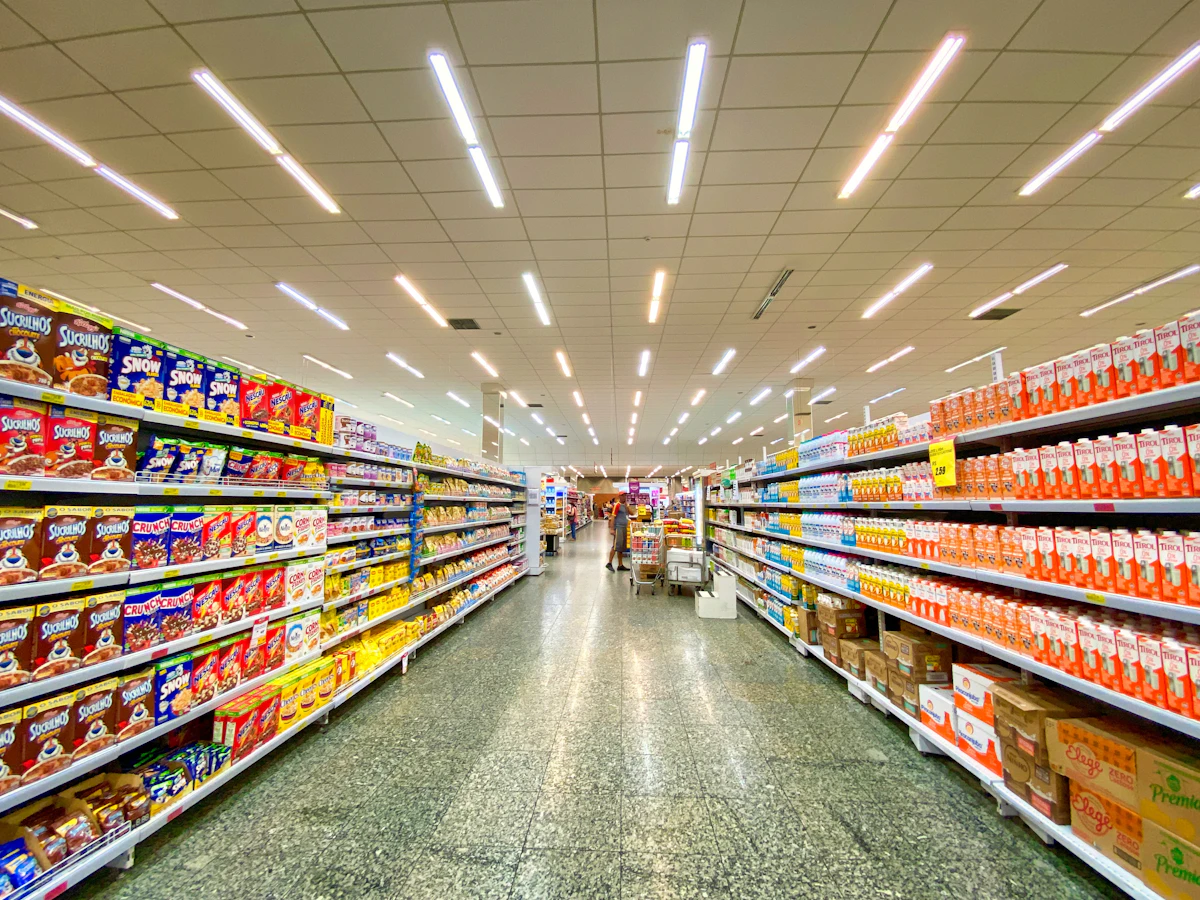
On a busy Saturday evening in a high-volume supermarket, grocery mart, or departmental store, the checkout counter is the definitive battleground for retail profitability. A shopper who spent 35 minutes carefully selecting items from your aisles will immediately abandon their basket if they encounter a sluggish, 8-person cashier queue where the barcode scanner takes 3 to 4 seconds to recognize each product.
In high-concurrency retail environments handling between 20,000 and 80,000 active SKUs, standard point-of-sale software collapses under its own weight. Database queries slow down, thermal receipt printers buffer, and internet outages bring billing to a catastrophic standstill.
At OkayMentor, our senior systems architects engineered the [OK POS Supermarket & Grocery Mart Edition](/services/pos-software/supermarket) to operate at sub-25 millisecond execution speeds. In this architectural guide, we dissect the engineering principles required to maintain lightning-fast retail checkout lines, eliminate internal cashier theft, and synchronize inventory across multiple billing counters.
---
Anatomy of the Cashier Bottleneck: Why Web-Based POS Systems Cripple Marts
During the past five years, many grocery mart owners were sold on flashy "cloud-based SaaS point of sale" applications that run entirely inside Google Chrome or web browsers. While attractive in sales demos, these architectures suffer from three fatal engineering limitations in real-world supermarkets:
1. Browser DOM Rendering & REST API Latency Every time a cashier scans a can of soda, a box of cereal, or a household cleaning detergent, a cloud-based POS dispatches an HTTP REST request over the public internet to a remote cloud server. Even on high-speed fiber internet, roundtrip network latency hovers between **250ms and 900ms per scan**. In a shopping cart containing 40 items, network latency alone wastes over 25 seconds per customer. Multiplied across 400 customers per hour during evening rushes, this latency creates disastrous cashier gridlock.
2. Electronic Weighing Scale Disconnect High-volume supermarkets sell substantial volumes of non-barcoded fresh produce: tomatoes, onions, imported cheeses, poultry, and loose spices. A commercial-grade supermarket POS must interface directly with electronic weighing scales via serial COM ports (RS232 or USB). When the cashier places a bag of apples on the scale, the software must extract the live weight in real time, apply price-per-kilogram formulas, and add the line item without requiring manual keyboard typing. Cloud web browsers cannot communicate with low-level RS232 hardware without brittle third-party browser extensions that crash routinely.
3. Cashier Drawer Discrepancies & Till Blind Spots Supermarkets handle thousands of cash transactions daily across multiple cashier shifts. Without strict **Cash Drawer Reconciliation Protocols (End-of-Day Blind Drops)**, cashiers know exactly how much cash the system expects in the drawer, enabling dishonest employees to pocket excess change.
---
Inside the OK POS Supermarket Engine
OK POS is engineered as an offline-first Windows client powered by an indexed SQLite embedded relational database:
`
[ Barcode Scanner / Omnidirectional Reader ]
│
▼ (Sub-15ms Query)
[ Indexed Local SQLite Database (50k+ SKUs) ]
│
▼
[ RS232 Serial Scale Auto-Weight Reader ]
│
▼
[ Direct ESC/POS Driver (Raw USB/LAN Buffer) ]
│
▼
[ Sub-0.2s Thermal Receipt Output + Cash Drawer Kick ]
1. Sub-15ms Local Indexing for 50,000+ SKUs By utilizing B-Tree indexed local SQLite files stored directly on the cash counter's solid-state drive (SSD), searching for any barcode out of 60,000 inventory items takes less than **15 milliseconds**. Scanning feels immediate and fluid, matching the high-speed velocity of enterprise hypermarket chains like Carrefour or Walmart.
2. Multi-Counter Local Area Network (LAN) Synchronization In a mart with 4 to 8 parallel checkout lanes, you do not want all counters competing over an unstable external cloud connection. OK POS creates a **High-Speed LAN Mesh Network**: - Cash Counter #1 operates as the Master Local Server. - Counters #2, #3, and #4 communicate over standard Ethernet LAN cables at gigabit speeds. - When Counter #2 sells the last 3 bottles of olive oil, stock counts across all counters update in sub-second intervals. - If the store's fiber internet disconnects completely, all 4 lanes continue scanning and printing without interruption.
3. Integrated Promotional Engine (Multi-Buys & Happy Hours) Modern grocery shoppers expect promotional pricing: *"Buy 2 Get 1 Free"*, *"15% discount on Dairy every Tuesday"*, or *"Spend $50 and receive a free $5 voucher"*. In OK POS, retail managers can configure advanced automated promotion matrices that apply instant checkout discounts without requiring cashier authorization codes.
4. Cashier Shift Management & Blind Cash Drops At the end of an 8-hour shift, the system enforces a strict **Blind Cash Count**: - The cashier counts their physical cash drawer and enters the cash, credit card, and digital payment totals without seeing the computer's expected total. - The manager approves the handover, and OK POS immediately generates a private discrepancy report highlighting any cash shortfalls or surpluses. - This protocol alone reduces cashier shrinkage and till theft by over **85%**.
---
Supermarket Hardware Compatibility Matrix
OK POS integrates seamlessly with all enterprise retail hardware protocols:
| Hardware Component | Supported Protocols / Interfaces | Recommended Models | | :--- | :--- | :--- | | Barcode Readers | 1D & 2D QR, USB, Bluetooth, Wireless 2.4GHz | Honeywell, Datalogic, Zebra, Inateck | | Omnidirectional Table Scanners | Hands-free continuous scanning | Zebra MP7000, Honeywell Orbit | | Electronic Weighing Scales | RS232 Serial COM, USB HID, Barcode Weight Labels | Mettler Toledo, CAS, DIGI, Avery Berkel | | Thermal Receipt Printers | Direct ESC/POS bypass, 80mm & 58mm cutter | Epson TM-T88, Xprinter XP-N160, Bixolon | | Cash Drawers | RJ11/RJ12 24V Solenoid kick via thermal printer | Standard heavy-duty metal 5-bill/8-coin drawers | | Customer Price Display | 2-Line VFD Pole Displays & Secondary HDMI LCDs | Posiflex, Bixolon, Standard USB/Serial poles |
---
Inventory Reordering & Dead Stock Analysis
Holding excess inventory ties up working capital, while running out of fast-moving consumer goods (FMCG) forfeits revenue to neighboring competitors. OK POS includes an intelligent Automated Reordering Engine:
- Predictive Minimum Stock Alerts: The system tracks daily sales velocities. When milk cartons or cooking oil drop below a 3-day safety threshold, OK POS automatically drafts purchase orders.
- Supplier Credit Ledger (Khata): Tracks wholesale payments owed to distributors, ensuring you never miss cash settlement discounts.
- Dead Stock Elimination: Highlights products that have not generated a single transaction in 45 days, allowing managers to clear obsolete inventory through flash clearance sales.
---
Frequently Asked Questions (FAQs)
What happens if our store has 5 checkout counters and the power fluctuates? OK POS is engineered with atomic database transactions. If an unexpected power cut occurs mid-transaction, the local database automatically rolls back corrupt queries. Upon rebooting Windows, the system restores the exact previous state with zero data corruption.
Can we print our own barcode stickers for loose items and bakery goods? Yes. OK POS includes a built-in Barcode Generator and Label Designer supporting standard thermal barcode printers (Xprinter 365B, TSC, Zebra). You can print custom 1D barcodes with product names, weights, prices, and expiration dates.
How do we monitor daily sales if we are not physically present at the store? OK POS generates an automated end-of-day business summary dispatched directly to your personal WhatsApp number or email: total sales, gross profit, cash in drawer, top 10 selling products, and cashier discrepancy logs.
---
Upgrade Your Supermarket Checkout Velocity
Eliminate customer walk-outs, prevent cashier till leaks, and keep your counters scanning at breakneck speeds. Partner with OkayMentor to deploy the battle-tested supermarket billing system engineered for high-volume retail.
Explore our dedicated Supermarket POS Solution or Contact Ahmed Mujtaba & Our Solutions Lab today to claim your private technical consultation.

Ahmed Mujtaba
Principal Solutions Architect & Founder at OkayMentor. Specializes in sub-45ms Node.js architectures, Okay POS offline billing, and enterprise cross-platform mobile systems for global agencies.
Recommended Related Playbooks
View all Point of Sale (POS)
Free vs Paid POS Software in 2026: Why 'Free' Billing Apps Cost Retailers More (and Why Smart Stores Switch to OK POS)
 Point of Sale (POS)
OK POS Software vs Cloud-Only POS Systems: Why 194+ Retailers Worldwide Trust Offline-First Billing
 Point of Sale (POS)